
Health news
Smart beds and motion sensors – is this the future of dementia care?
For Jyoti and Bharat Patel, their West London home has become a living laboratory. The couple, former professional magicians who once performed for royalty, are now super testers in a groundbreaking NHS trial aimed at redefining dementia care. Every room is equipped with discreet sensors that track movements and habits, from door sensors that flag midnight wanderings to kitchen monitors that ensure Jyoti is eating regularly. Even their bed is high tech, featuring a smart mattress that tracks heart rate and breathing to catch early signs of infection before they turn into emergencies.
This initiative, led by the UK Dementia Research Institute and Imperial College London, involves more than 250 families striving to find a balance between safety and independence. For Jyoti, who was diagnosed with Alzheimer’s after Bharat noticed small but telling mistakes during their magic acts, the technology provides a vital safety net. Along with the home sensors, she wears smart socks and a specialized watch designed to monitor body temperature and changes in her gait, helping clinicians identify increasing frailty in real time.
While the prospect of constant monitoring might seem invasive to some, the system avoids cameras or microphones to protect privacy. Instead, it sends raw data to a clinical team of doctors and nurses who can intervene early to prevent avoidable hospital visits. Experts argue that while the annual cost of roughly two thousand pounds per patient seems steep given the nearly one million people living with dementia in the UK, it remains far cheaper than just two weeks of residential care home costs.
As the number of dementia cases in Britain is projected to rise by forty percent by 2040, officials at NHS England are watching the results closely. The goal is to move away from reactive crisis management toward a proactive model of care that allows patients to stay in their own homes longer. For Bharat, the trade off is simple; even if the technology only reduces his anxiety by ten percent, it offers a level of peace of mind that is priceless for any caregiver.
Related Stories
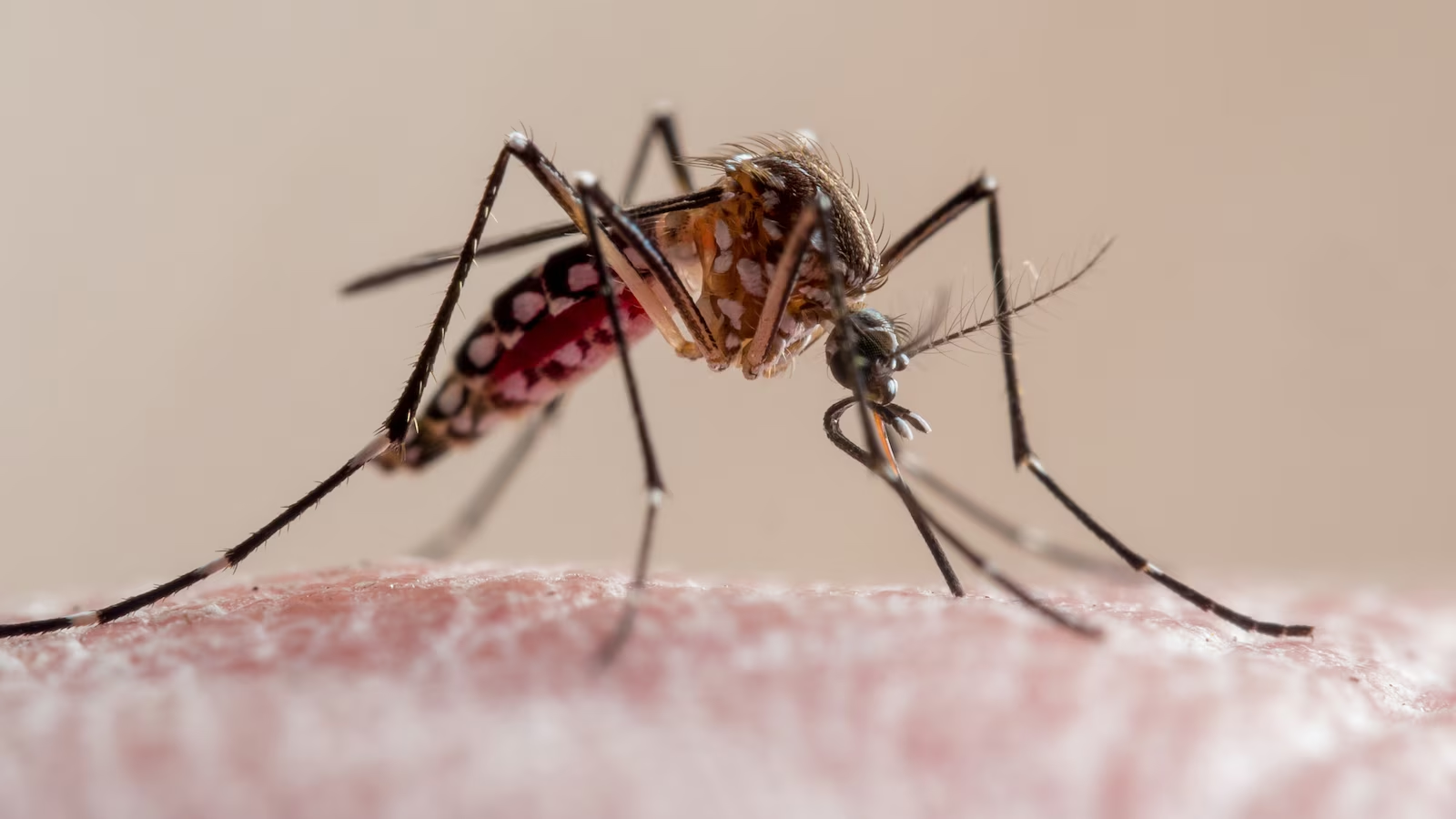
What to know about dengue fever as Florida reports 1st death and cases rise
Florida health officials have confirmed the state’s first death from dengue fever this year as numbers of the…

Eat this much whole grain per day to improve your health, study suggests
Updating your diet might be simpler than you think, provided you make room for a few more scoops…
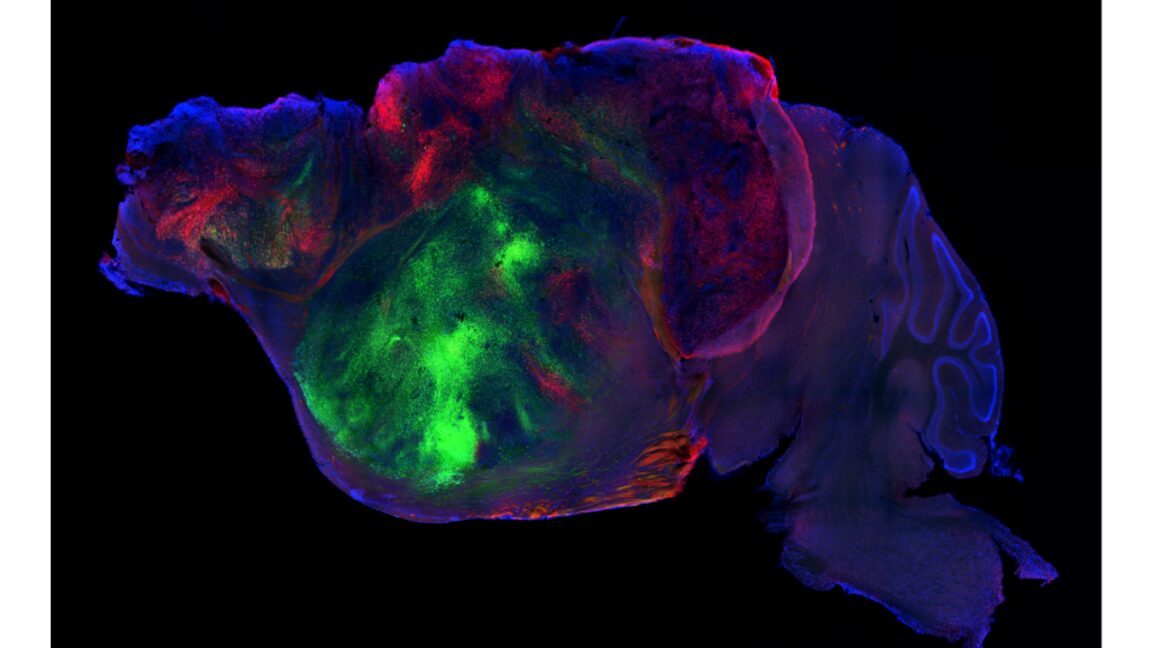
Researchers swap in human brain cells for a mouse’s cortex
Researchers at Stanford University have achieved a provocative milestone in neuroscience by replacing a significant portion of a…

Teen’s brain-eating amoeba infection likely linked to water feature
State health officials believe a decorative water feature at a community center in Durham County is the likely…