
Health Highlights
Population Boom Outpaces Medical Staffing in North Carolina
North Carolina is facing a critical gap in its healthcare staffing as the state’s rapid population growth leaves medical providers struggling to keep up. A new report from the NC Center on the Workforce for Health warns that the pipeline of new professionals isn’t expanding quickly enough to meet rising demands. According to center director Andy MacCracken, there is an urgent need to train more nurses, nursing assistants, and emergency medical technicians while simultaneously finding better ways to keep current staff from leaving their roles.
Data collected by the Health Talent Alliance reveals a sobering trend among more than 1,700 facilities, showing that only four percent of recent hiring was for newly created positions rather than filling existing holes. The struggle is most acute in behavioral health and long term care settings where turnover remains stubbornly high. While nursing graduates saw a slight three percent increase last year, officials admit that these modest gains aren’t enough to solve the broader crisis. There is some hope however through changes to federal Pell Grants, which are now unlocking funding for short term healthcare development programs.
Certain specialties remain nearly impossible to staff, particularly paramedics, EMTs, and mental health counselors. These shortages are felt most acutely in rural areas and Western North Carolina, where analysts say the aftermath of Hurricane Helene has displaced workers and disrupted local stability. Because the crisis varies so much by geography, experts are calling for hyper local solutions rather than a one size fits all strategy. Examples like pre nursing tracks for high schoolers in Lincoln County and cross border collaborations between North and South Carolina offer a potential blueprint for stabilizing the state’s fragile health infrastructure.
Related Stories

Rising Paychecks Fail to Shield Many Mainers From Healthcare Crisis
Maine families are seeing their paychecks grow faster than both inflation and the national average, yet a growing…
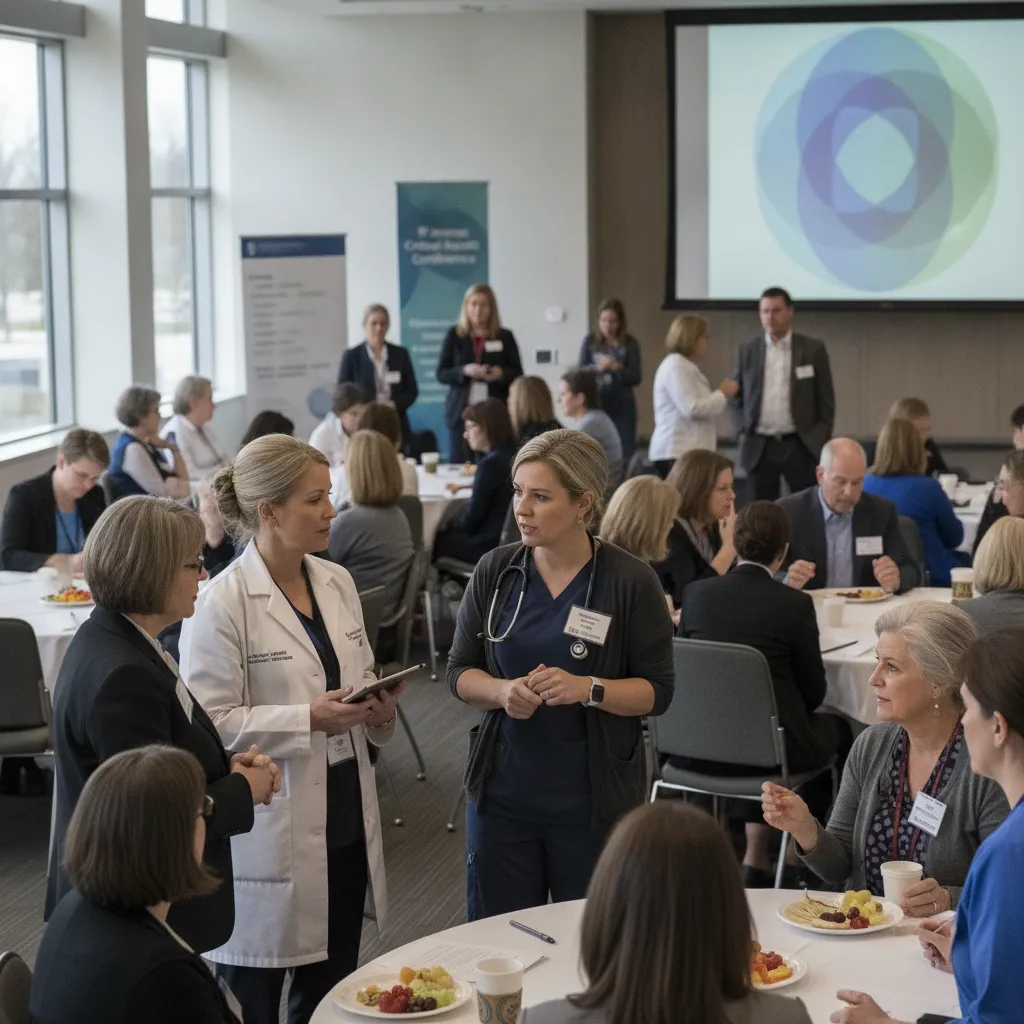
Breaking the Silence on Midlife Wellness in Topeka
Healthcare professionals and local residents gathered recently for the 19th annual Florence Crittenton Mental Health Conference, focusing heavily…
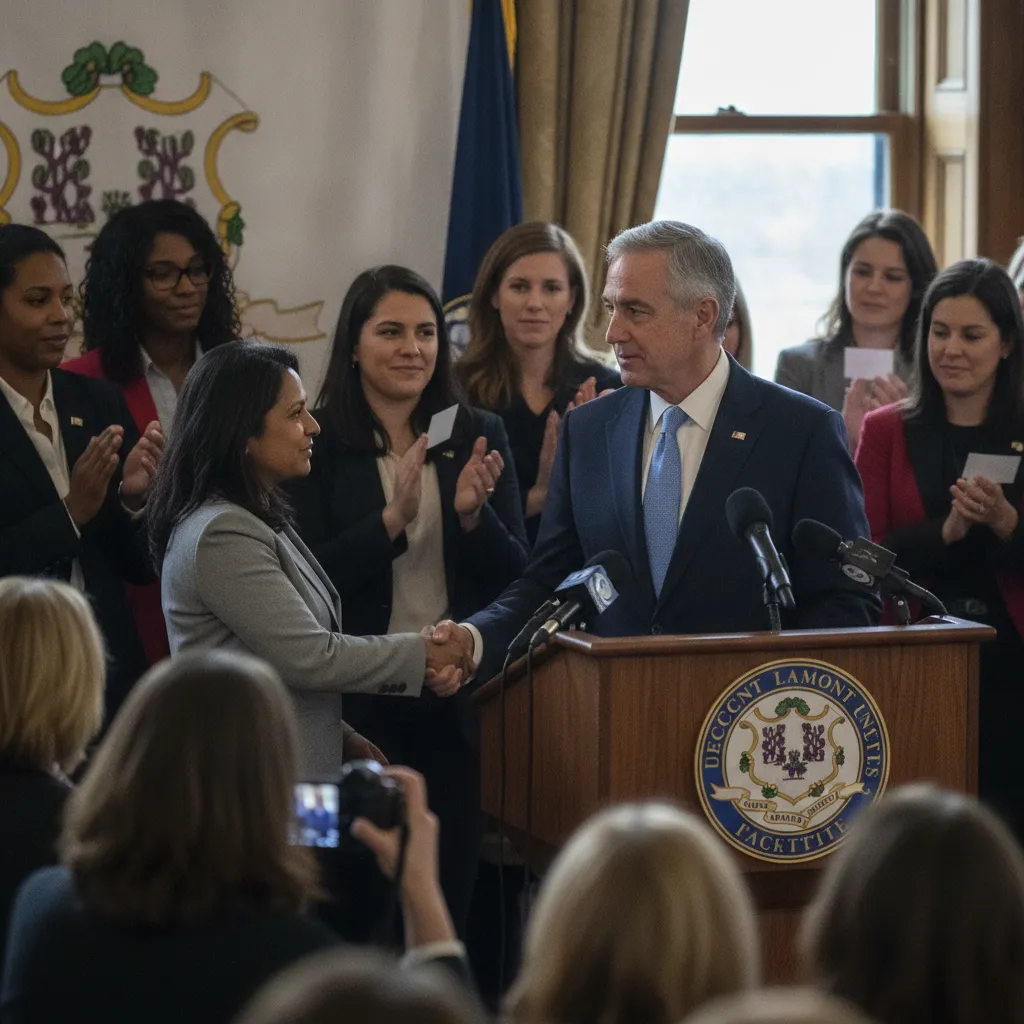
Breaking the Silence on Menopause Through Policy and Care in Connecticut
Governor Ned Lamont recently issued an official proclamation recognizing the UConn Health Disparities Institute for its pivotal role…
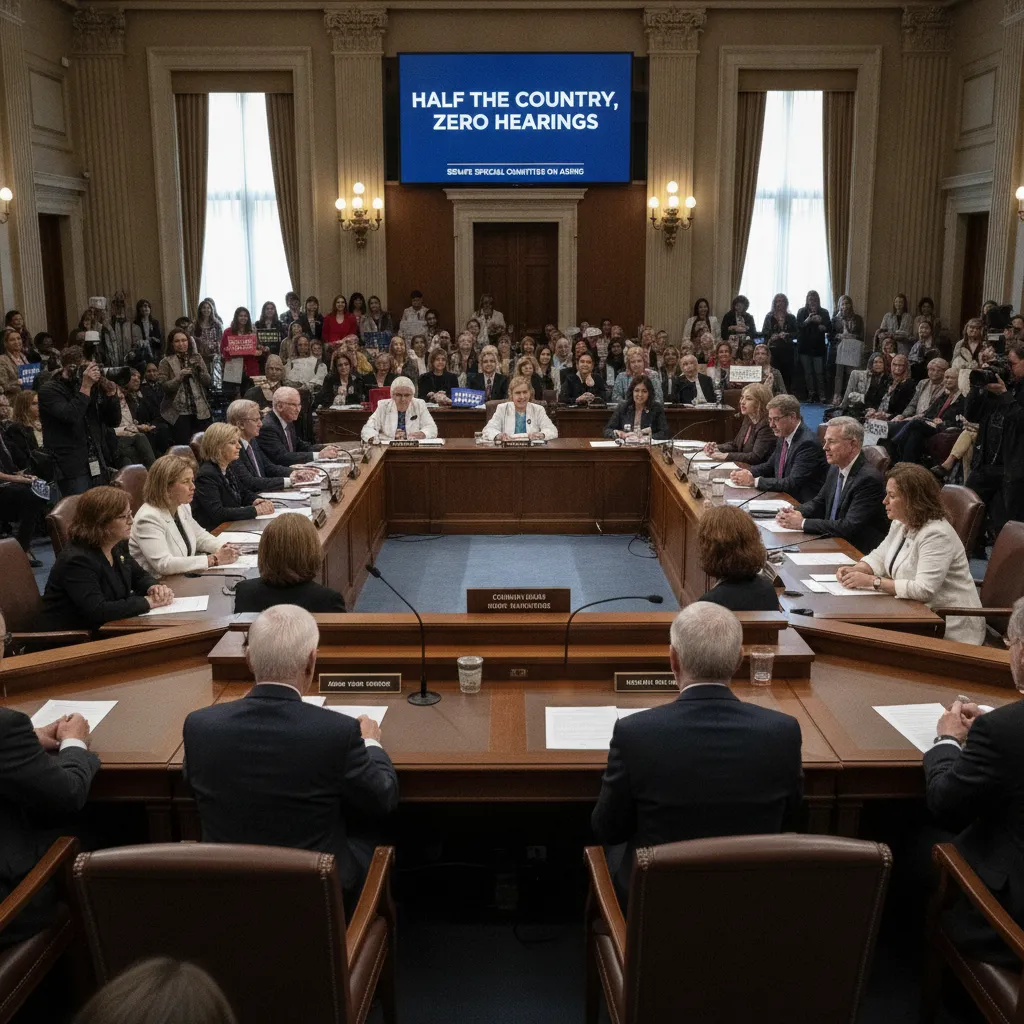
Breaking the Silence on Midlife Health as Congress Tackles the Menopause Care Gap
For too long, the physiological and psychological shifts of menopause have been treated as private struggles rather than…